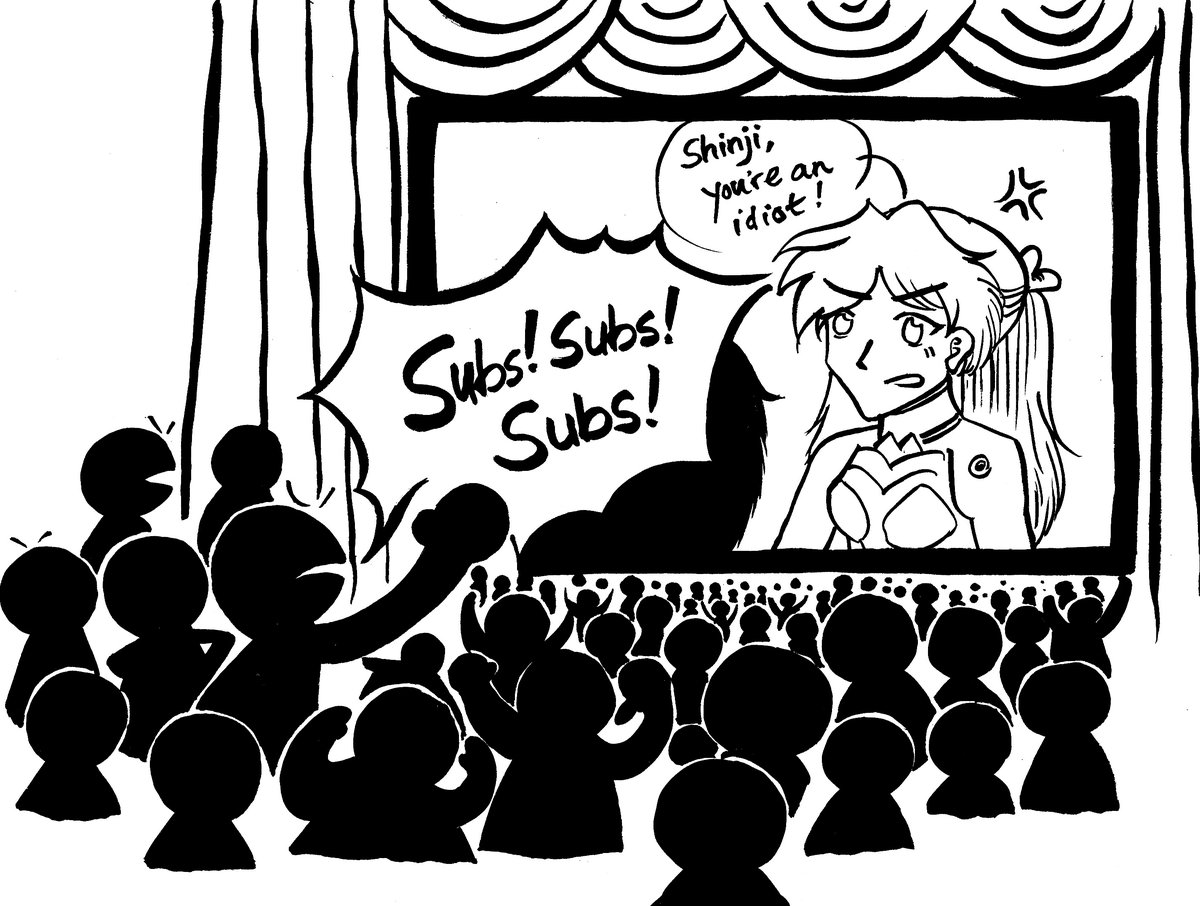
When you settle in for a movie night, binge-watching a new series, or diving into an international film festival darling, you're faced with a fundamental choice that profoundly shapes your experience: Dubbed vs. Subbed & Language Options. It's more than just a preference; it's a gateway to immersion, understanding, and sometimes, a whole new way of connecting with stories from around the globe.
Forget the days when your only option for foreign language content was a grainy VHS with burnt-in, often clumsy, subtitles. Today's streaming landscape offers a rich tapestry of choices, empowering you to tailor your viewing to your precise needs and preferences. But with great choice comes the need for clarity.
At a glance: Your Viewing Language Options
- Dubbed Content: Replaces original dialogue with translated voiceovers, letting you focus solely on visuals. Ideal for multitasking or viewers who prefer not to read.
- Subtitled (Subbed) Content: Displays translated text on screen while preserving the original audio, offering an authentic listening experience. Great for language learners or purists.
- Original Audio (No Subtitles): The purest form of viewing, assuming you understand the spoken language.
- Closed Captions (CC): Primarily for the hearing impaired, transcribing all audio elements (dialogue, sound effects) in the original language.
- Audio Descriptions (AD): Narration for visually impaired viewers, describing key visual elements of the scene.
- Your Choice Matters: What you pick profoundly impacts immersion, authenticity, and your ability to absorb cultural nuances. There's no single "best" option—only the best for you.
The Core Divide: Dubbed vs. Subbed
At the heart of the language options debate lies a straightforward distinction, yet each choice carries a wealth of implications for how you engage with a story.
Dubbed: The Seamless Storyteller
Dubbing is the process where the original language in media is replaced with a translated voiceover. Imagine watching a Japanese anime, but the characters are speaking perfect English, synchronized (as much as possible) with their mouth movements. That's dubbing in action. It's designed to make you forget there was ever an original language, drawing you fully into the narrative without the distraction of reading.
Subbed: The Authentic Interpreter
Subtitling (or "Subbed") takes a different approach. It displays translated text at the bottom of the screen, allowing you to hear the original audio while still understanding the dialogue. Think of the critically acclaimed South Korean film Parasite; most Western audiences experienced it with subtitles, hearing the actors' original performances in Korean. This method prioritizes the integrity of the original production.
Both approaches aim to bridge language barriers, but they do so through fundamentally different lenses, each with its own set of advantages and drawbacks.
The Case for Dubbing: Immerse Without Reading
Dubbing has often been the default for international content in many markets, especially for children's programming or major blockbuster films. It's a powerful tool for accessibility and immediate immersion.
Advantages of a Dubbed Experience
- Seamless Viewing Experience: This is dubbing's biggest draw. Without the need to read, your eyes can stay glued to the visuals—the intricate set designs, the subtle facial expressions, the fast-paced action sequences. You simply listen and absorb the story, making for a truly hands-off, eyes-on experience. It’s perfect when you want to truly sink into the mise-en-scène.
- Ease of Understanding: For many, the mental effort required to read subtitles, especially quickly, can be taxing. Dubbing presents the dialogue in your native language, making it effortless to follow complex plots, nuanced conversations, and rapid-fire exchanges. This is particularly beneficial for those who struggle with reading speed or have learning disabilities.
- Accessibility for All: Dubbing dramatically expands content accessibility. It's a boon for younger audiences who can't read yet, for viewers with visual impairments who rely on audio, or simply for those who prefer to multitask (cooking, cleaning, etc.) while watching. It opens up a world of content that might otherwise be inaccessible.
- Expressive Voice Acting: Good dubbing isn't just about translation; it's about performance. Skilled voice actors strive to capture the emotions, personality, and essence of the original performance, often working with direction to match the character's intent. When done well, the voice acting can genuinely enhance the storytelling, providing a new layer of character interpretation.
- Faster-paced Viewing: In content with dynamic camera work or rapid visual information, not needing to read subtitles allows viewers to keep up with the pacing. You won't miss a crucial visual gag or a significant plot point while trying to catch up on dialogue.
The Trade-offs of Dubbing
While convenient, dubbing isn't without its compromises. These drawbacks often fuel the passion of the "subbed-only" camp.
- Loss of Authenticity: This is the most frequently cited concern. When you replace the original voices, you lose the unique timbre, inflection, and emotional delivery of the actors' actual performances. An actor might have delivered a line with a specific nuance that's difficult to replicate in another language, leading to a disconnect between their physical performance and the new voice. It's like listening to a cover song—sometimes brilliant, but rarely identical to the original.
- Varying Quality: The quality of dubbing can swing wildly. A poorly cast voice actor, an awkward translation, or a flat delivery can completely deflate the emotional impact of a scene, turning drama into unintentional comedy. Studios often budget differently for dubbing, leading to inconsistent results across productions.
- Lip-Syncing Issues: Different languages have different sounds and mouth movements. Achieving perfect lip-sync between a translated script and the original on-screen performance is a monumental challenge. Often, you'll notice dialogue that doesn't quite match the actors' mouths, which can be jarring and pull you out of the story.
- Limited Language Options: While major languages like English, Spanish, French, German, or Japanese might have robust dubbing industries, content is rarely dubbed into dozens of languages. This means if your native tongue isn't one of the prevalent options, dubbing might not be available to you.
- Sacrifice of Cultural Nuances: Jokes, wordplay, idioms, or cultural references often don't translate directly. Dubbing teams face the tough choice of either simplifying or replacing these elements, sometimes losing the original intent or cultural flavor entirely. What might be a hilarious pun in Japanese could become a generic, less impactful statement in English.
The Case for Subtitling: Preserving the Original Art
For many cinephiles and purists, subtitles are the only way to experience international content. They believe that hearing the original performance is paramount to appreciating the filmmaker's true vision.
Advantages of a Subtitled Experience
- Preserves Authenticity: This is the subtitled experience's crowning glory. You get to hear the actual actors' voices, their unique inflections, their intended emotional deliveries, and the original language as it was recorded on set. This connection to the raw performance is crucial for understanding the director's choices and the cultural context embedded in the dialogue. Think of the subtle tones in a K-drama that get lost if not heard in Korean.
- Language Learning: Subtitles are an unparalleled tool for language acquisition. By associating spoken words with written text, you can improve vocabulary, pronunciation, and listening comprehension. It’s a low-stakes, high-reward way to immerse yourself in a new language, sentence by sentence. Many viewers start with subtitles in their native tongue and eventually switch to the original language subtitles as their skills improve.
- Flexibility in Language Options: Subtitles are generally much easier and cheaper to produce than dubs. This means content often has subtitles available in a far wider array of languages. If your language isn't one of the major dubbing markets, you're far more likely to find your native language in subtitle form.
- Minimal Lip-Syncing Issues: Since the original audio track remains untouched, there are no synchronization problems to contend with. The visual performance and the auditory performance are always perfectly aligned, removing a common source of distraction found in dubbing.
- Less Distracting (in some aspects): While reading can be a distraction, some viewers find the audio-visual mismatch of poor dubbing far more distracting than reading text. With subtitles, the sound and image are cohesive, allowing for a different kind of focus that maintains a strong connection with the original artistic intent. You're hearing precisely what the actor intended, even if you're reading a translation.
The Trade-offs of Subtitling
While preserving authenticity, subtitles introduce their own set of challenges that can impact the viewing experience.
- Reading Distractions: This is the most common complaint. Constantly looking down to read can take your eyes away from the action, cinematography, or subtle visual cues. You might miss an important piece of non-verbal acting or a crucial visual detail while your attention is on the text. For some, this constant eye movement breaks immersion.
- Language Barrier (subtlety loss): While subtitles bridge the literal language gap, relying solely on them can sometimes mean missing deeper nuances. If you're completely unfamiliar with the target language, you might not pick up on vocal inflections, slang, or cultural references that even well-translated subtitles can't fully convey.
- Limited Accessibility (for certain needs): While widely available, subtitles themselves aren't universally accessible. Viewers with visual impairments cannot use them. Also, if the subtitle language isn't available in a widely spoken language, it can still pose a barrier.
- Translation Accuracy Issues & Simplification: Subtitles need to be concise. There's limited screen space and reading time, so translators often have to simplify or shorten dialogue, potentially losing some of the original's richness, wordplay, or specific tone. A longer, more poetic line might be condensed into something more direct, sacrificing literary flair.
- Split Attention: Effectively watching subtitled content requires dividing your attention between reading the text, processing the original audio, and absorbing the visuals. This can be mentally demanding, especially during fast-paced scenes or dialogue-heavy moments, potentially leading to mental fatigue for some viewers.
Beyond the Voice and Text: Exploring Other Language Options
The world of content localization extends beyond just dubbed or subtitled tracks. Modern streaming platforms offer an array of accessibility and preference-based options designed to cater to diverse needs.
- Original Audio (No Subtitles): For multilingual viewers, this is often the preferred choice. It's the purest experience, allowing you to fully immerse yourself in the film or show exactly as it was created, without any overlaid translation. This is the ultimate form of authenticity, assuming you're fluent in the original language.
- Closed Captions (CC): Distinct from standard subtitles, Closed Captions are primarily designed for the deaf or hard of hearing. They not only transcribe dialogue but also include descriptions of non-dialogue audio elements, such as "(Door creaks)," "(Uplifting music plays)," or "(Explosion reverberates)." Crucially, CC is usually in the original language of the content (unless specified as SDH—Subtitles for the Deaf and Hard of Hearing—in a translated language).
- Audio Descriptions (AD): For visually impaired audiences, Audio Descriptions provide narrated descriptions of crucial visual elements during pauses in dialogue. This includes character actions, scene changes, on-screen text, and other visual information vital to understanding the plot. AD layers another voice over the original audio, painting a picture for those who cannot see it.
These options highlight a growing commitment to making content accessible to everyone, ensuring that language or disability doesn't entirely block someone from enjoying a story.
Making Your Personal Choice: When to Go Dubbed, When to Go Subbed
There's no definitive "right" answer in the dubbed vs. subbed debate. The ideal choice depends entirely on your personal preferences, your viewing environment, and your goals. Here’s a framework to help you decide:
Prioritizing Authenticity and Original Performance
If you want the purest artistic experience, hearing the actors' original voices, their subtle inflections, and the authentic sound design, subtitles are your unequivocal choice. This is especially true for films where performance is paramount, like a gripping drama or a nuanced character study. Film purists often argue that anything less is a compromise to the director's artistic vision.
Embracing Language Learning
Looking to brush up on your Spanish, deepen your understanding of Korean, or pick up some phrases in Japanese? Subtitles are your best friend. Start by watching content in a foreign language with subtitles in your native tongue. Once you're comfortable, switch to subtitles in the original language. This active engagement with both spoken and written foreign language accelerates learning. For example, if you're trying to learn Japanese, watching a popular anime like Oshi no Ko with Japanese audio and Japanese subtitles can significantly boost your comprehension skills. Learn more about where to watch Oshi no Ko and experiment with its language options.
Needing a Seamless, Hands-Off Experience
If you simply want to relax, focus purely on the visuals, or perhaps multitask while you watch (e.g., doing laundry, working out), dubbing offers unparalleled ease. You don't have to divide your attention; the story flows directly into your ears. This is often preferred for casual viewing, background noise, or content where visual spectacle outweighs dialogue nuance.
Managing Reading Fatigue or Impairments
For viewers who find reading subtitles tiring, distracting, or impossible due to visual impairments or learning difficulties, dubbing is a fantastic accessibility tool. It removes the barrier of text, allowing everyone to follow the narrative with ease. Children who are not yet strong readers also greatly benefit from dubbed content.
Tolerating Lip-Sync Issues vs. Reading Distractions
Consider which "distraction" bothers you less.
- If mismatched lip movements and a potential disconnect between voice and actor break your immersion, subtitles avoid this entirely.
- If the constant need to read takes you out of the visual flow, making you miss details or feel mentally fatigued, dubbing eliminates this reading burden.
Exploring Diverse Content Options
If you want access to the widest possible range of international content, especially from smaller linguistic markets, subtitles will almost always give you more options. Dubbing is a more expensive and time-consuming process, so it's typically reserved for content with broad commercial appeal in specific major markets. Subtitles, being cheaper to produce, are more pervasive.
The Hybrid Approach: Mixing and Matching
Don't feel locked into one choice! Many viewers adopt a hybrid approach:
- Dubbed for casual viewing (e.g., comedies, action films where dialogue is less critical).
- Subbed for critically acclaimed dramas, indie films, or content in languages they're trying to learn.
- Switching mid-stream to compare dubbing quality or check a specific line's original phrasing.
Your preferences can also change depending on the content itself. Anime fans, for instance, are famously divided, with some strongly preferring Japanese audio with subtitles and others swearing by quality English dubs. Experiment, and see what truly enhances your enjoyment.
Addressing Your Burning Questions About Language Options
The "Dubbed vs. Subbed" discussion often sparks numerous questions. Let's tackle some of the most common ones.
Is one objectively "better" than the other?
No. There is no objective "better" option. It's entirely subjective and depends on individual preferences, accessibility needs, and the specific content being watched. What enhances the viewing experience for one person might detract from it for another. Film purists often lean towards subbed for authenticity, while casual viewers might prefer dubbed for ease.
Do all foreign films offer both options?
Definitely not. While major streaming platforms strive to offer choices for popular content, many independent films or older titles may only have original audio with subtitles, or perhaps just a single dubbed track for specific regions. Dubbing is a significant investment, so it's not universally applied.
What about "Netflix quality" dubs and subs?
Streaming giants like Netflix, Amazon Prime Video, and HBO Max have invested heavily in localization. This often means higher quality dubs (better voice actors, more accurate translations, skilled directors) and more polished subtitles than in previous eras. However, quality can still vary by project and language pair. Some shows are specifically made with high-quality dubs in mind from the start.
Can I switch between dubbed and subbed in the middle of a show?
Yes, on most modern streaming platforms, you can easily switch audio tracks and subtitle languages at any point during playback. Look for an "Audio & Subtitles" or similar icon (often a speech bubble or gear icon) in the player controls. This flexibility is fantastic for experimentation or for comparing different versions.
What are "Fansubs" or "Fan-dubs"?
These are unofficial translations and dubs created by fans of a particular show or movie, often distributed online before official releases. While they fill a gap for impatient viewers, their quality can be highly inconsistent, ranging from excellent to very poor, and they may not always respect copyright. Most mainstream platforms exclusively use officially licensed translations.
Why do some people say dubs "ruin" the show?
This sentiment often stems from the "loss of authenticity" argument. Viewers who deeply connect with the original actors' performances, or who find poor lip-syncing jarring, feel that dubbing diminishes the artistic integrity and emotional impact of the work. For them, a bad dub can fundamentally alter their perception of a character or scene.
The Evolving Landscape of Content Localization
The future of dubbed, subbed, and language options is dynamic and exciting. Advances in artificial intelligence and machine learning are rapidly improving translation accuracy and even voice synthesis. AI-powered dubbing can now mimic original voices and emotional tones with increasing sophistication, promising faster, higher-quality, and potentially more widely available dubbed content.
Furthermore, the global demand for diverse content means that more and more foreign-language films and series are being released worldwide. This surge in international productions is driving innovation in localization, pushing studios and platforms to offer a wider array of choice and higher quality across all language options.
Finding Your Perfect Viewing Sweet Spot
Ultimately, the choice between dubbed, subbed, or another language option is yours alone. There's no single "correct" way to watch international content; there's only the way that best allows you to connect with the story, the characters, and the culture.
Don't be afraid to experiment. Try watching a new show with subtitles for the first few episodes, then switch to the dub. Or, if you usually go for dubs, challenge yourself to try a subbed film recommended by a friend. You might discover a whole new appreciation for the original performances, or find that a particularly good dub truly enhances your enjoyment.
The beauty of today's streaming world is the power of choice. Embrace it, explore it, and let your personal preferences guide you to the most engaging and enjoyable viewing experience possible. Happy watching!